


6, Sep 2026
China Xplained | The China Squeeze, or the China Opportunity?
GUANGZHOU, China, Sept. 6, 2026 /PRNewswire/ — This is a news report from South:
Is China’s manufacturing rise squeezing out or creating opportunities for other economies?
Ahead of the 2026 APEC Economic Leaders’ Meeting in China this November, journalists and experts from around the world gathered in Guangdong for the Asia-Pacific Media Forum (APMF) 2026.
The forum opened in Shenzhen on September 5, bringing together more than 400 representatives from across the Asia-Pacific region, as well as from international organizations.
Before the opening of the forum, participants travelled across Guangdong to see China’s industries and development first-hand.
In this episode of China Xplained, we look at the numbers, supply chains, investment and voices from across the developing world—to ask a bigger question: Is China squeezing out room for other economies?
 View original content to download multimedia:https://www.prnewswire.co.uk/news-releases/china-xplained–the-china-squeeze-or-the-china-opportunity-302870850.html

- 0
- By Sai Krishna

6, Sep 2026
FDI World Dental Federation launches Generation Smile, the oral health movement for all
Generation Smile is a generation unlike any other. It isn’t defined by the year you were born. It unites people of every age, background and culture around one shared purpose: making oral health a priority because it is essential to health and well-being – for everyone, everywhere.
– Picture is available at AP –
PRAGUE, Sept. 6, 2026 /PRNewswire/ — Today, at the FDI World Dental Congress in Prague, FDI World Dental Federation (FDI) officially unveiled Generation Smile – the oral health movement for all, a new platform for World Oral Health Day (WOHD). Under its first-year theme, Join Generation Smile, the campaign invites people around the world to come together to champion oral health as an essential part of overall health and well-being.
Generation Smile is built on the powerful idea that lasting change begins with each of us. Whether it is brushing twice a day, adopting healthier habits, visiting a dentist regularly, encouraging others to care for their teeth and gums, or advocating for the right to oral health for all – everyone has a role to play, and every action counts. Because together, millions of individual actions can become a global movement for change.
Generation Smile redefines oral health as something bigger than just the mouth, while remaining unmistakably connected to it.
“The smile is not the outcome. It is the symbol of everything a healthy mouth makes possible – from health to confidence, comfort, connection and well-being. By helping people protect their oral health throughout life, Generation Smile aims to create healthier communities and brighter futures around the world,” said Dr Anna Lella, WOHD Working Group Chair.
At the heart of this is an important reality: the health of our mouths is integral to general health, with oral diseases linked to a range of systemic conditions.
Inspired by the universal language of street art, Generation Smile introduces a bold new visual identity designed to transcend borders and cultures. Throughout the campaign, people around the world will be invited to add their voice to a global digital mural – turning individual support into a collective work of art.
“With Generation Smile, we want to give people a shared space to say: my oral health matters, and caring for it matters too. We want to create a movement for lifelong oral health – because oral health has the power to change lives, and everyone can be part of that change,” said Assist. Prof. Dr Nikolai Sharkov, President of FDI. “With nearly 3.7 billion people affected by oral diseases worldwide, we cannot accept that so many continue to live without the oral healthcare they need. Every healthy choice we make, every conversation we start and every person we inspire brings us one step closer to FDI’s vision of a world with optimal oral health. Generation Smile is an invitation to people everywhere to join a movement that will leave a lasting legacy for future generations.”
Over the years, World Oral Health Day has united thousands of people behind a common cause: individuals, oral health professionals, National Dental Associations, schools, partners and policymakers from every corner of the world. Generation Smile builds on that momentum by bringing these voices together under one global movement – creating an even stronger force for oral health.
On 20 March 2027, as World Oral Health Day returns, people everywhere will be invited to Join Generation Smile and help shape a future where everyone can realize their right to oral health and enjoy the lifelong benefits of a healthy mouth.
Media contact
Francesca Nava, FDI Campaign and Social Media Manager
Email: fnava@fdiworlddental.org
About World Oral Health Day
Celebrated annually on 20 March, World Oral Health Day (WOHD) was launched by FDI World Dental Federation to raise global awareness on the prevention and control of oral diseases. www.worldoralhealthday.org
 View original content:https://www.prnewswire.co.uk/news-releases/fdi-world-dental-federation-launches-generation-smile-the-oral-health-movement-for-all-302869021.html

6, Sep 2026
Haier Showcases AI-Powered Smart Home Ecosystem at IFA 2026
Connected products understand and adapt to everyday needs
BERLIN, Sept. 6, 2026 /PRNewswire/ — Haier, the world’s No. 1 brand in major home appliances for 17 consecutive years*, showcased an AI-powered smart home ecosystem at IFA 2026 spanning garment care, refrigeration, cooking, entertainment, digital services and robotics. Under the theme “Home of Intelligent Possibilities,” the showcase demonstrates how connected appliances can evolve into a coordinated home that senses conditions, understands context, learns from user habits and adapts the way devices operate, creating a more intuitive and responsive experience at home.

AI That Adapts to Everyday Life
Across the portfolio, AI turns real-time information into practical adjustments. The Vision 15 washing machine uses an internal camera, sensors and algorithms to detect factors such as load size, balance and foam levels, and then adjust water levels, detergent dosing, drum movement and program settings. In refrigeration, the Maestro prototype brings several preservation technologies together. Its AI Food Care System 2.0 recognizes stored ingredients and recommends suitable conditions to help users manage food more effectively.
The ID Ultimate Series 6 oven applies the same approach to cooking. Its internal camera recognizes food, monitors cooking progress and can stop the program when the desired result has been reached. In the living room, UltraSense AI analyzes content and ambient conditions to adjust picture and sound on Haier Smart TVs in real time.
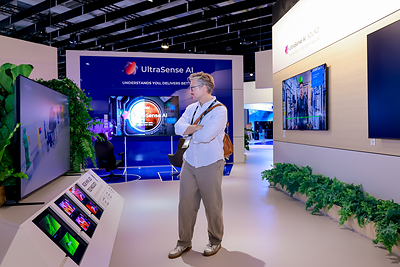
Together, these technologies extend AI into coordinated home scenarios across laundry, food care, cooking and entertainment. The hOn app brings Haier Europe’s connected products, services and home experiences together in a single digital environment, enabling them to work together around daily routines and translate connected technology into practical benefits at home.
This progression from individual products to coordinated home scenarios is already reaching users at scale. According to Euromonitor International, Haier Smart Home was recognized as the world’s No. 1 smart home enterprise based on global smart home revenue in 2025. Haier smart home platform has surpassed 130 million registered users worldwide and recorded 86.1 billion smart scene interactions in 2025.
Extending Intelligence Into Physical Interaction
Haier also showed how AI and embodied intelligence could translate smart home intelligence into physical tasks. The showcase featured humanoid robots interacting with appliances, robotic cleaning systems designed to recognize objects and different types of dirt, along with companion robots developed for voice assistance and personalized support.
The Haier Exoskeleton extended this theme beyond the home. Its sensors and algorithms interpret movement intentions in real time and adjust the assistance provided to each user, supporting mobility while preserving natural movement. Together, the demonstrations reflect Haier’s work to connect AI, appliances and robotics around practical human needs.
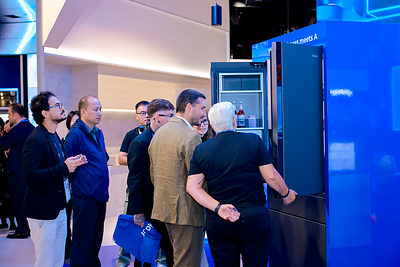
This technology portfolio is supported by Haier’s “10+N” open innovation system, which connects global research resources with local user insights. In the first half of 2026, Haier topped on IPRdaily’s global smart home invention patent list for the 15th consecutive time. Looking ahead, Haier plans to invest at least 13 billion euros over the next five years, with a focus on foundational technologies including artificial intelligence, semiconductors and IoT security to underpin its AI-native transformation.
Haier’s presence at IFA also highlights its global sports partnerships under the “Play with the Number Ones” concept, connecting the pursuit of excellence in sports with the brand’s focus on innovation, performance and better user experiences worldwide.
Visitors can experience Haier’s smart home technologies in Hall 3.1 at Stand 101 during IFA 2026 in Berlin from Sept. 4 to 8.
*Source: Euromonitor International Limited; Consumer Appliances 2026 Edition; % unit share, 2025 volume sales data
 View original content to download multimedia:https://www.prnewswire.co.uk/news-releases/haier-showcases-ai-powered-smart-home-ecosystem-at-ifa-2026-302870777.html

6, Sep 2026
Dr. Vinaya Prakash Singh Re-elected APPU Secretary-General for Second Term
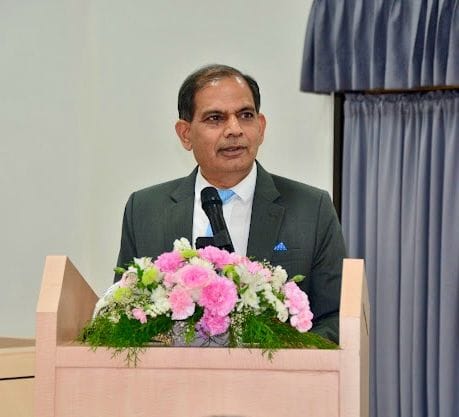
New Delhi: Dr. Vinaya Prakash Singh, a 1988-batch Indian Postal Service officer, has been re-elected as Secretary-General of the Asian-Pacific Postal Union (APPU) for a second consecutive four-year term. He was elected unopposed by acclamation during the 14th APPU Congress held in Bangkok on September 4, 2026.
Dr. Singh’s re-election is seen as a significant recognition of India’s role in international postal cooperation and reflects the confidence of postal administrations across the Asia-Pacific region in his leadership. His second term will begin in January 2027 and continue through December 2030.
India’s Role in Asia-Pacific Postal Cooperation
The re-election comes as the Asian-Pacific Postal Union continues to strengthen cooperation among postal administrations across the region. Headquartered in Bangkok, the APPU is an intergovernmental organisation with 32 member countries and functions as a Regional Union of the Universal Postal Union (UPU), the United Nations specialised agency for the postal sector.
Dr. Singh first assumed the position of APPU Secretary-General in January 2023 after being elected at the 13th APPU Congress in 2022. During his first term, he contributed to strengthening cooperation among postal administrations and supporting efforts to modernise and develop postal services across the Asia-Pacific region.
His second term is expected to provide further opportunities to deepen regional postal cooperation, promote modernisation and address emerging priorities facing the postal sector.
Dr. Vinaya Prakash Singh’s Career in Indian Postal Service
Dr. Singh has more than three decades of experience in public administration and the postal sector. During his career, he has held several senior positions in the Government of India, including Member of the Postal Services Board, Senior Deputy Director General and Chief Vigilance Officer in the Department of Posts.
He has also served as Chief Postmaster General of Uttar Pradesh Circle and Chief General Manager at India Post Headquarters. His professional experience includes assignments with the Union Public Service Commission, the United Nations Development Programme in Afghanistan and the Army Postal Service Corps.
Academic Background and Recognition
Alongside his administrative career, Dr. Singh has an extensive academic background. He was a Gold Medallist in Modern History from the University of Allahabad and holds a Ph.D. in Management from the Indian Institute of Technology Delhi.
The Department of Posts has congratulated Dr. Vinaya Prakash Singh on his re-election and wished him a successful second term as Secretary-General of the Asian-Pacific Postal Union.
His continuation in the post through 2030 is expected to further strengthen India’s engagement in international postal affairs and regional cooperation across the Asia-Pacific postal network.
6, Sep 2026
Experience AI Companion in Everyday Life at Hisense IFA 2026
BERLIN, Sept. 6, 2026 /PRNewswire/ — Hisense, a leading brand in global consumer electronics and home appliances, is inviting visitors at IFA 2026 to experience how AI can make everyday home routines simpler and more intuitive. Under the theme “Innovating a Brighter Life,” the Hisense AI Companion Suite, powered by ConnectLife, brings connected intelligence to the kitchen, laundry and living spaces.
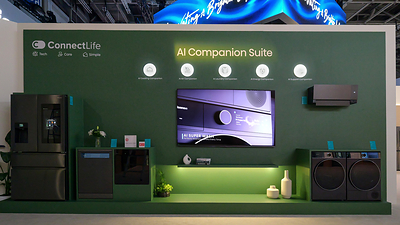
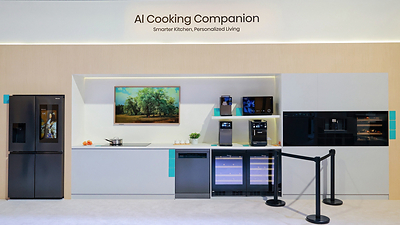
Step into the kitchen and a simple question— “What should I make?”—can set the experience in motion. The AI Companion Refrigerator recognizes stored ingredients and suggests meal ideas based on personal preferences. Once a recipe is selected, it can sync with the AI Companion Oven to support automatic cooking, while the AI Companion Wine Cabinet recommends pairings and maintains suitable storage conditions. After the meal, the AI Companion Dishwasher recognizes dish conditions and adjusts cleaning, demonstrating how AI can support the journey from planning dinner to cleaning up.
In the laundry area, visitors can see how the AI Companion Laundry Suite turns a routine load into a simpler, more automated experience. By recognizing clothing characteristics, it selects suitable wash and dry cycles and adjusts the process automatically, creating a load-and-go experience.
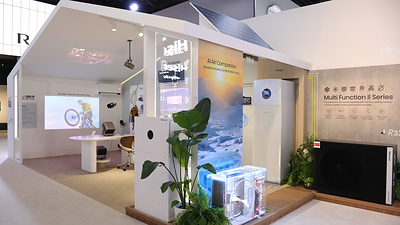
The experience continues in the living space. The AI Companion Air Conditioner senses indoor conditions and user presence, adapting airflow as people move through the room. Meanwhile, the AI Companion Energy System considers weather and time-of-use electricity pricing to help optimize household energy use.
Building on ConnectLife’s support, Hisense is collaborating with Alexa+ to be among the first home appliance brands bringing smart home devices to Amazon’s Alexa+ AI assistant using Amazon’s new Smart Home AI Toolkit. Available in the coming months, Alexa+ customers will be able to control select Hisense air conditioners by simply saying what they need. Alexa+ will then map the request, navigate the settings, and complete the action for them.
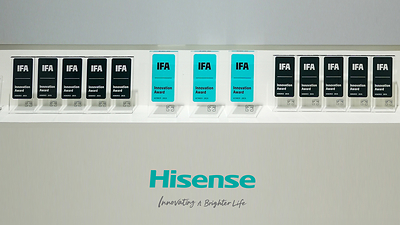
Hisense’s approach to innovation has also earned recognition at IFA, with several of its products receiving awards. The Multi Function II Series, an all-in-one energy-saving HVAC solution, received a Winner Award, while the X-zone Master was named an Honoree. The U8 Air Master Air Conditioner, W60 3D Kitchen-fit Series and 60cm Integrated Wine Cabinet were also recognized that underscores Hisense’s focus on combining intelligent technology, thoughtful design and everyday usability.
Across these IFA scenarios, Hisense brings its Smart Home Companion capabilities to life through V AIOS, giving devices the ability to Sense what is happening, Think through what to do, Communicate naturally with users and across devices, and Execute tasks by orchestrating devices and services autonomously. Together, these capabilities help AI Companion Suites understand context, make decisions and take action, helping the home do more while asking less of its users.
About Hisense
Hisense, founded in 1969, is a globally recognized leader in home appliances and consumer electronics with operations in over 180 countries, specializing in delivering high-quality multimedia products, home appliances, and intelligent IT solutions. According to Omdia, Hisense ranks No. 1 globally in the 100-inch and over TV segment (2023-2026H1). As The Origin of RGB MiniLED, Hisense continues to lead the next-generation RGB MiniLED innovation. As the official sponsor of the FIFA World Cup 2026TM, Hisense is committed to global sports partnerships as a way to connect with audiences worldwide.

 View original content to download multimedia:https://www.prnewswire.co.uk/news-releases/experience-ai-companion-in-everyday-life-at-hisense-ifa-2026-302870765.html

6, Sep 2026
Roborock Reports 27.6% Revenue Growth in H1 2026, Reinforcing Global Market Leadership
BERLIN, Sept. 6, 2026 /PRNewswire/ — Roborock, a global leader in home robotics engineered to simplify daily life, reported revenue of RMB 10.084 billion in the first half of 2026, up 27.6% year on year, while net profit attributable to shareholders rose 45.6% to RMB 986 million. The company also reached a new global milestone, with Roborock recognized as the world’s No.1 robotic vacuum cleaner brand by both IDC and Euromonitor International.
Global Expansion Continues to Strengthen Growth
Roborock’s international business continued to deliver strong growth in H1 2026 across both mature and high-potential markets. During Amazon Prime Day 2026, Roborock ranked No.1 in the robotic vacuum category in Germany, the United Kingdom, Spain, the Netherlands, Belgium, the United States and Canada. In Europe, Roborock reached a 45% share of the robotic vacuum market, with unit sales up 24% year on year, while wet-dry vacuum unit sales grew 112%. In North America, Roborock reached a 33% share of the robotic vacuum market, with unit sales increasing 30% year on year.
Momentum was also strong across key Asia-Pacific markets. Roborock ranked No.1 in both unit shipments and sales value in Australia, Korea, Taiwan region and Türkiye from Q1 2023 to Q1 2026. In Korea, the brand maintained more than 70% share of the premium robotic vacuum segment, while the S10 MaxV Ultra generated approximately KRW 28 billion in sales within ten days of its February 2026 launch. In Japan, Roborock continued to deepen its premium retail presence through cooperation with Yamada Denki, including dedicated brand displays and nationwide availability of flagship products. Across Asia-Pacific, the company continued to combine its global technology platform with localized channel, marketing and service strategies.
Roborock’s global leadership has also been independently recognized by IDC and Euromonitor International. According to IDC, Roborock ranked No.1 globally by both unit shipments and sales value among robotic vacuum brands in H1 2026, while Euromonitor International ranked the brand No.1 globally by retail sales value in 2025. Together, the two rankings reinforce Roborock’s global market leadership and reflect sustained consumer demand worldwide.
Sustained R&D Investment Supports Long-Term Competitiveness
Roborock continued to invest heavily in technology in the first half of 2026, with R&D spending reaching RMB 720 million, up 5.11% year on year and accounting for 7.14% of revenue. The company continues to build capabilities in intelligent navigation, AI-powered environmental perception, cleaning systems and robotic mobility, while increasingly bringing these technologies together at the system level rather than improving individual specifications in isolation. This integrated approach allows technologies proven in flagship products to be brought into a wider range of models and price segments, helping Roborock strengthen its portfolio while making advanced features available to more consumers.
IFA 2026 Highlights the Next Phase of Innovation
At IFA 2026, Roborock is showcasing its latest advances across indoor and outdoor cleaning. Its new robot vacuums and wet-dry vacuums bring advances in steam-powered care, adaptive cleaning and whole-home versatility, while the Roborock Saros Rover introduces a two-wheel-leg architecture designed to expand robotic mobility beyond flat floors. Roborock is also broadening its intelligent cleaning ecosystem with the debut of the RockAqua P1, its first intelligent pool cleaner, alongside the RockNeo Q2 LiDAR robotic mower, extending its autonomous cleaning capabilities across floors, pools and gardens.
 View original content:https://www.prnewswire.co.uk/news-releases/roborock-reports-27-6-revenue-growth-in-h1-2026–reinforcing-global-market-leadership-302868216.html

6, Sep 2026
Board Of Practical Training, Eastern Region, Ministry Of Education, Government Of India Commemorates Regional Apprenticeship Day 2026
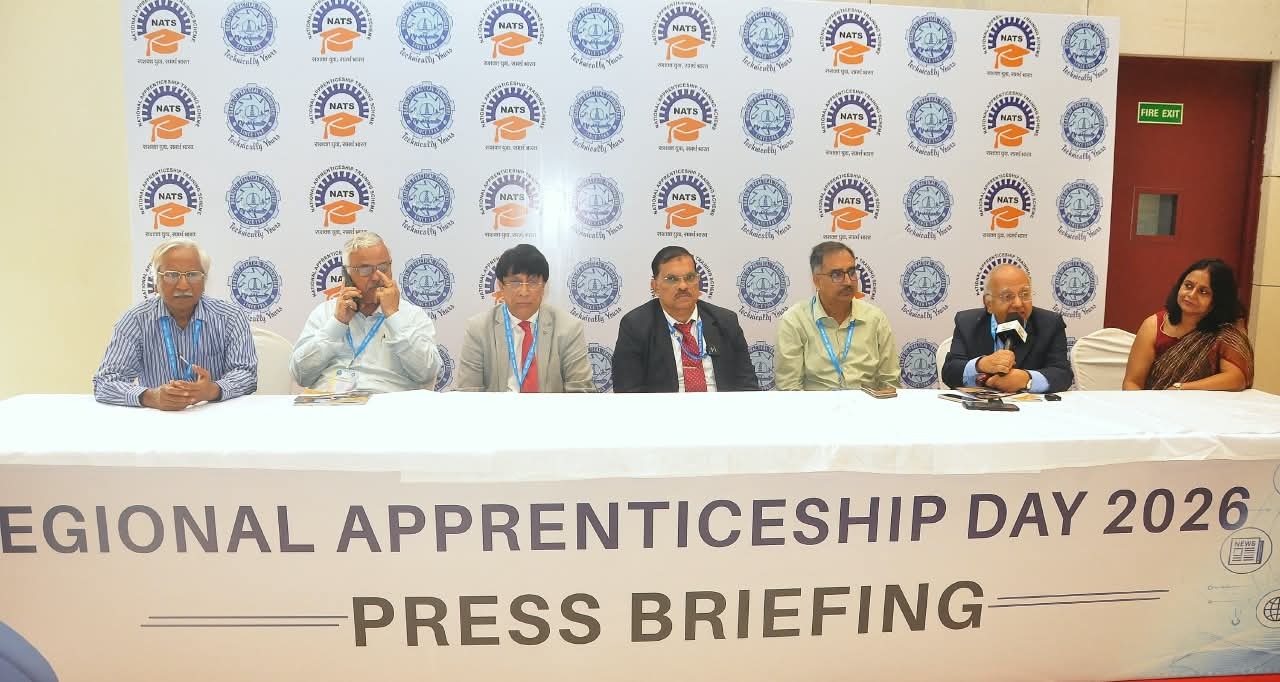
Photo Caption: Image 1: (L-R) Prof. Dr. Sadhan Chandra Ray, FIE, Kolkata; Shri R. N. Lahiri, Hon’ble BoG Member, BOPT (ER); Shri Dibakar Chandra Deka, Vice Chancellor, Mizoram University ; Dr S.M. Ejaz Ahmad, Director, Board of Practical Training (Eastern Region), Ministry of Education, Government of India; Prof. Dr N K Agarwal, Director, Department of Higher Education, Government of Bihar; Shri Sandipan Chakraborty, Ex-chairman BOPT(ER) & Tata Motors Logistics Ltd.; Dr. Ratna Sinha, HR Advisor, Kolkata were present on the occasion of Regional Apprenticeship Day 2026 in Kolkata.
Kolkata, Sept 06: The Board of Practical Training, Eastern Region, BOPT(ER), Kolkata, an organisation under the Ministry of Education, Government of India, commemorated Regional Apprenticeship Day 2026 in Kolkata today. The event was organised around the theme “Empowering MSMEs through NATS: Catalyzing Regional Growth via Structured Apprenticeships” and focused on highlighting the importance of apprenticeship training and the role of the National Apprenticeship Training Scheme (NATS) in creating job opportunities, building skills and empowering youth for a future-ready workforce. The programme also highlighted the role of structured apprenticeships in supporting Micro, Small and Medium Enterprises (MSMEs) and contributing to regional growth, in line with the objectives of the National Education Policy (NEP) 2020.
Prof. Dr. Sadhan Chandra Ray, FIE, Kolkata; Shri R. N. Lahiri, Hon’ble BoG Member, BOPT (ER); Shri Dibakar Chandra Deka, Vice Chancellor, Mizoram University; Prof. Dr N K Agarwal, Director, Department of Higher Education, Government of Bihar; Shri Sandipan Chakraborty, Ex-chairman BOPT(ER) & Tata Motors Logistics Ltd.; Dr. Ratna Sinha, HR Advisor, Kolkata & Dr S.M. Ejaz Ahmad, Director, Board of Practical Training (Eastern Region), Ministry of Education, Government of India were present on the occasion and addressed the media.
BOPT(ER) has been working towards strengthening apprenticeship opportunities for graduates and diploma engineers through NATS, enabling them to gain practical industry exposure and improve their employability. During FY 2025-26, BOPT(ER) trained 1,45,449 apprentices under the NATS programme, of these, 1,15,193 apprentices secured employment after completing their apprenticeship, accounting for around 79% of the total apprentices trained.
“Regional Apprenticeship Day celebration intends to mobilize graduates and diploma engineers to come forward and get their skill honed to meet the current industry demand and improve their employability. It is observed that 1,15,193 apprentices are either absorbed in the same industries or secured employment in other establishments post completion of their training”, added by Dr S.M. Ejaz Ahmad, Director, Board of Practical Training (Eastern Region), Ministry of Education, Government of India.
For FY 2026-27, BOPT(ER) has set a target of training around 1.5 lakh apprentices under the NATS programme. This is part of the overall target of training around 6 lakh apprentices across all BOATs/BOPTs during the financial year. The initiative is aligned with the theme “Empowering MSMEs through NATS: Catalyzing Regional Growth via Structured Apprenticeships”, with a focus on strengthening apprenticeship opportunities and supporting MSMEs through a skilled and industry-ready workforce.
As per the NILERD report, around 79% of apprentices secure permanent employment after completing their apprenticeship under NATS each year. The findings highlight the role of apprenticeship training in providing practical workplace exposure and improving employment opportunities for graduates and diploma engineers.
The National Apprenticeship Training Scheme (NATS) provides practical training opportunities to graduates and diploma engineers across industries and establishments. The programme enables apprentices to gain hands-on experience and develop industry-relevant skills, helping bridge the gap between academic learning and workplace requirements.
BOPT(ER) has also been conducting Apprenticeship-cum-Job Melas throughout the year to connect students and graduates with industries and establishments offering apprenticeship and employment opportunities. These initiatives are aimed at creating a direct link between skilled youth and industry requirements.
The Regional Apprenticeship Day 2026 also emphasised the alignment of apprenticeship training with the vision of NEP 2020, particularly its focus on skill development, vocational education, practical learning and improving the employability of young people. The initiative seeks to encourage more students, graduates and diploma engineers to take up apprenticeship opportunities and develop skills that are relevant to the evolving employment landscape.
5, Sep 2026
Archaea As Flexitarians: Ammonia-Oxidizing Microbes Also Feed on Amino Acids
Sep 05: Symbiotic ammonia-oxidizing archaea in marine sponges are not strict specialists, but true “flexitarians”: A team led by microbiologists Bettina Glasl and Katharina Kitzinger from the University of Vienna, in collaboration with partners from Australia, has shown that these microbes dine not only on ammonia but also on amino acids such as valine, leucine, and isoleucine – and presumably do that to communicate with their animal host. The findings shed new light on one of the oldest animal-microbe symbiotic relationships on Earth and point to a previously underestimated role played by archaea. The study was published in the prestigious journal Science Advances.
For decades, scientists assumed that ammonia-oxidizing archaea had a strict diet, feeding exclusively on ammonia, and to some extent, on the simple nitrogenous compounds cyanate and urea, to fix CO2. A new study led by researchers from the Centre for Microbiology and Environmental Systems Science at the University of Vienna, in collaboration with the Australian Institute of Marine Science, shows that symbiotic ammonia-oxidizing archaea, unlike their free-living relatives studied thus far, are actually “flexitarians”. They use amino acids, such as valine, leucine and isoleucine, as additional food sources. This finding also suggests that these symbiotic microbes may have an unknown ability to communicate with their animal hosts.
An ancient symbiosis
Marine sponges are among the oldest animals. Their simple bodies are teeming with microbes. This partnership, also called symbiosis, is vital for the sponge’s survival in the oceans. Ammonia-oxidizing archaea are key symbionts in marine sponges. They are renowned as the sponge’s microscopically sized sanitation crew as they remove toxic ammonia, a metabolic waste product.
Until now, it was assumed that they are strict “chemolithoautotrophs”: They derive energy from inorganic compounds, in this case ammonia, and use CO2 as their carbon source.Hints that symbiotic ammonia-oxidizing archaea might be more flexible came from their genomes. Unlike many free-living ammonia-oxidizing archaea, they carry genes encoding transporters for branched-chain amino acids. The new study provides the first direct experimental evidence that symbiotic ammonia-oxidizing archaea actually are mixotrophs, capable to use CO2 and amino acids as a carbon source.
Zooming in on individual microbes’ activity
The researchers studied the coral reef sponge Ianthella basta, also called elephant ear sponge, and its ammonia-oxidizing archaeal symbiont Nitrosospongia ianthellae. Using a cutting-edge combination of advanced chemical and microscopic imaging techniques, including NanoSIMS, they were able to watch the dietary habits of individual symbiont cells in their sponge host.
“The real challenge was to prove which specific cells were consuming the amino acids within the sponge,” says Katharina Kitzinger, co-lead author and specialist in single-cell analysis. “We could literally see the labeled amino acids being incorporated into individual symbiont cells, linking a cell’s identity to its function rather than relying on genome predictions alone.”
From waste disposal to microbial communication
The discovery has implications beyond the microbes’ diet. As they can both consume and produce branched-chain amino acids, symbiotic ammonia-oxidising archaea may influence the availability of these essential amino acids within their ancient animal host.
“We used to think of these symbionts primarily as a waste disposal service for the sponge” says Bettina Glasl, co-lead author and expert in sponge–microbiome interactions. “By producing and consuming these amino acids, the symbionts can potentially modulate important signalling molecules for the sponge. This could be a form of communication between microbes and animal hosts with deep evolutionary roots.”
The researchers propose that this metabolic activity could even influence the mTOR signaling pathway, a conserved regulator of cell growth and metabolism that responds to branched-chain amino acid availability.
“This work would not have been possible without the tight collaboration of many people in Austria and Australia, and the generous support from the FWF for the Cluster of Excellence ‘Microbiomes drive planetary health'” says Michael Wagner, head of the FWF-Cluster and last author of the study.
5, Sep 2026
Utah researchers join NSF center that studies how robots and people learn to work together
Sep 05: A new National Science Foundation Science and Technology Center, led by the University of Texas at Austin, will study what happens when assistive robots leave the lab and move into the real world to live and work alongside humans.
The Center for Human and Robot Co-Adaptation will bring together 39 researchers from six universities and multiple industry partners to establish a new science of “human-robot co-adaptation”—how people and robots learn from one another and adjust their behavior over long periods in everyday settings that will include homes, hospitals and assisted-living residences.
The University of Utah will play a central role in the new center under the leadership of Daniel Brown, assistant professor in the John and Marcia Price College of Engineering’s Kahlert School of Computing. The Utah contingent of researchers has expertise spanning human-AI alignment and safety, robot learning and manipulation, human-centered computing and human factors.
“A lot of research into robotics research today focuses on whether a robot can successfully complete a particular task,” Brown said. “Through this center, we want to dive deeper and understand what happens when a person and a robot live and work together for weeks, months or even years.”
“This kind of long-term study of co-adaptation is really only possible with the kind of large-scale effort afforded by the center,” he said. “I’m really excited about the opportunity to get the research we’ve been developing in the lab into hospitals, dormitories, museums and care facilities to better understand how to create human-robot interactions that benefit and empower people.”
Other Kahlert faculty involved with the 5-year collaboration, which is funded by a $30 million NSF grant, include Tucker Hermans, Jason Wiese and Kenneth Marino, along with Frank Drews, a Utah professor of psychology.
The University of Utah will also provide one of the center’s most important real-world proving grounds. Through the Human Environment with Robots Facility Network, robots will be deployed at University of Utah Health sites, including the Craig H. Neilsen Rehabilitation Hospital and the planned One U Residential Center, designed to support independent living for people with complex physical injuries.
Craig H. Neilsen Rehabilitation Hospital is a leader in patient-facing technology and innovation, providing a clinical environment to develop and test new technologies that can increase patient independence, improve rehabilitation outcomes and support care teams. The project builds on a longstanding collaboration between Jason Wiese; Dr. Jeffrey Rosenbluth, Vice Chair of Innovation and Community Programs at Neilsen Rehabilitation Hospital; James Gardner, who coordinates the development of new patient-facing technology at Neilsen Rehabilitation Hospital; and Brent Eliesen, Health Innovation Team Lead with University of Utah Information Technology.
Their work includes the hospital’s 75 smart patient rooms, where assistive technologies are integrated into patient care and studied in a clinical setting. This established infrastructure and experience provide a strong foundation for expanding this work into assistive robotics.
These real-world settings will allow researchers to study how patients, caregivers, healthcare professionals and robots adapt to one another during extended, real-world interactions—moving robotics research beyond short laboratory experiments toward technologies that can safely support rehabilitation and independent living. Utah will also contribute to the center’s education and outreach efforts through collaborations with the Utah STEM Action Center.
“This project gives us a chance to study robotics where the technology really matters: alongside people in their everyday environments,” Wiese said. “We want to understand how robots can adapt to individual needs and support greater independence.”
Partner universities include Indiana University Bloomington, the Massachusetts Institute of Technology, Tufts University, and Yale University. Industry collaborators include Amazon, Apptronik, Diligent Robotics, Google DeepMind, Hello Robot, MassRobotics, NVIDIA and Robust AI.
5, Sep 2026
New ESG Framework Maps Key Risks and Growth Opportunities Across India’s FMCG Sector
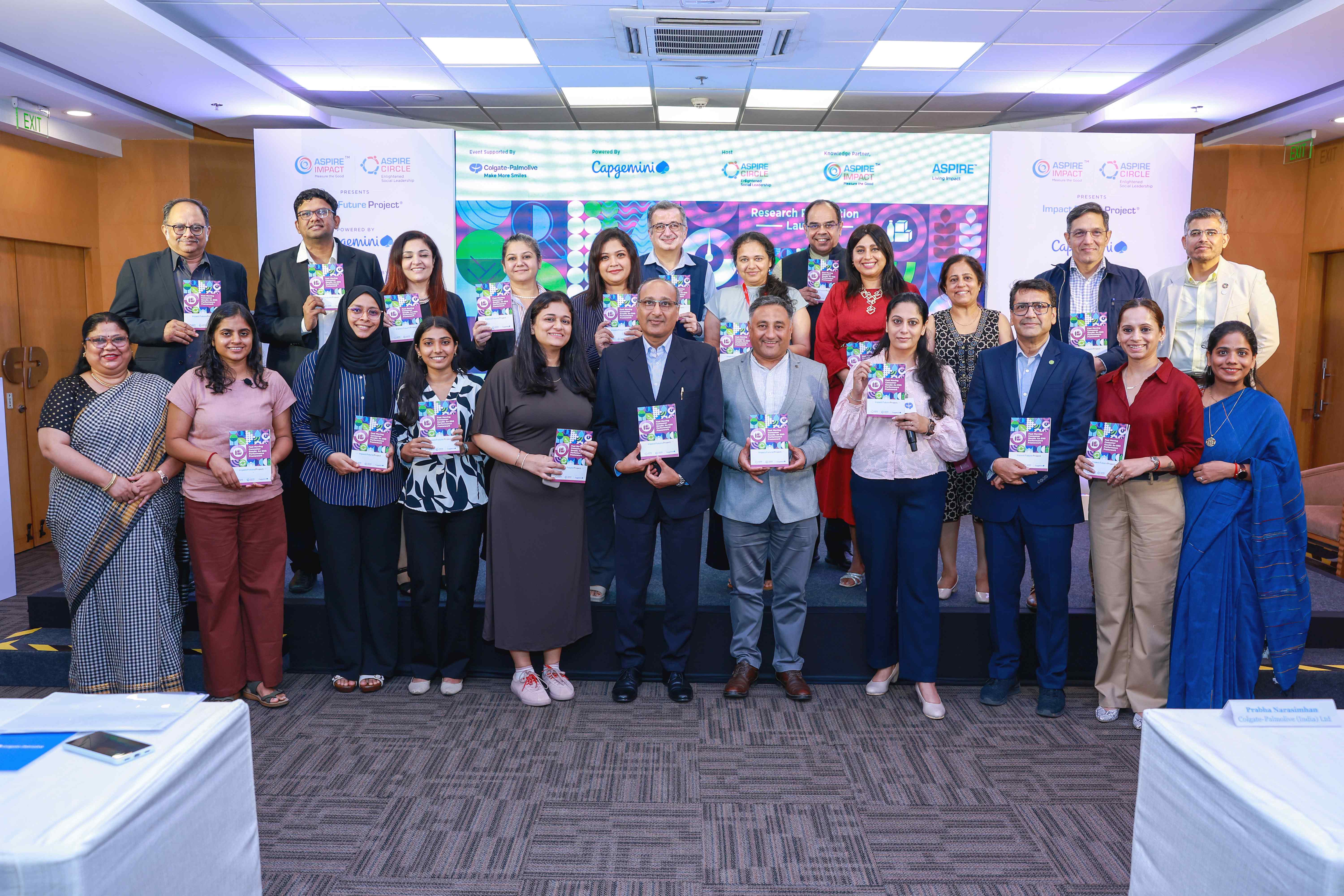
Mumbai, Sep 05: Aspire Circle and Aspire Impact have launched “Fast Moving Consumer Goods: An ESG Performance Framework,” a new research publication under the Impact Future Project, a thought-leadership initiative supported by Capgemini. The publication brings together 19 senior ESG, sustainability and business leaders to develop a sector-specific approach to measuring ESG performance and assessing ESG risks and opportunities.
India’s FMCG sector generated USD 245.4 billion in revenue in 2024 and is projected to reach USD 615.9 billion by FY2027, touching more than 1.4 billion consumers. The framework moves beyond a single blended ESG score by assessing ESG Risk and ESG Opportunity separately, providing companies, investors and other stakeholders a clearer view of vulnerabilities and potential for sustainable value creation.
The framework combines sector-agnostic KPIs with FMCG-specific indicators across Personal Care, Household, Food Products and Diversified FMCG. The assessment covers Environment, Social and Governance issues including emissions, energy, water, packaging, product lifecycle, responsible sourcing, employee health and safety, customer impact, governance and ethical conduct.
Key ESG risk areas include packaging waste, water stress, energy-intensive manufacturing, supply chain traceability, sustainable sourcing, product quality and safety, responsible marketing and natural resource stewardship. Opportunities include circular packaging, renewable energy, refill and reuse models, ethical sourcing and regenerative agriculture. The essence of the framework is that clearer identification of material ESG risks, combined with measurable opportunities, can help FMCG companies build consumer trust and brand equity, anticipate regulatory and market shifts, and drive innovation and responsible growth, ultimately contributing to stronger long-term business performance and stakeholder outcomes.
The framework integrates Risk and Opportunity assessments through a 2×2 Risk–Opportunity quadrant. The framework integrates Risk and Opportunity assessments through a 2×2 Risk–Opportunity quadrant, where the respective scores position a company within the quadrant and provide a clear view of its current ESG risk–opportunity profile and direction of travel. This goes beyond a single embedded score by showing where a company stands, where it should aim to move, and whether progress is being driven by reducing risk, strengthening opportunities, or both.
Amit Bhatia, Founder, Aspire Circle and Aspire Impact, said,
“India’s USD 245 billion FMCG sector reaches over a billion consumers every day, giving it a unique ability to turn everyday choices into large-scale climate and social impact. Our ESG framework, with separate Risk & Opportunity ratings and both sector-agnostic and sector-specific KPIs, lets FMCG companies benchmark themselves against peers and translate ESG intent into measurable, comparable action.”
Prabha Narasimhan, Managing Director & CEO, Colgate-Palmolive (India) Limited, said,
“As the FMCG sector touches billions of lives every day, we have a unique opportunity and responsibility to make sustainable choices more accessible and impactful. At Colgate-Palmolive India, our experience of embedding ESG across our products, operations and communities has shown us the value of clear, measurable goals and collective action. Through our 2030 SMILE Strategy, we are advancing climate action, circularity, oral health and community impact..”
The publication is the latest in IFP’s planned series of 12 sector-specific ESG performance frameworks, following frameworks covering industry-agnostic ESG KPIs, Financial Services, Healthcare, Information Technology and Utilities. The Working Group members for the FMCG publication included Amit Saha, Founder & CEO, Pro India, Ex Chief Sustainability Officer, Hindustan Coca-Cola Beverages; Dr. Ankur Chaturvedi, Assistant Vice President Operations & ESG Lead, Emami; Burzin Dubash, Chief Operating Officer & Chief Financial Officer, Ankur Capital; Dipanwita Chakraborty, Founder Advisory at Visible Growth Inflection Points; Former Regional Director – Corporate Responsibility & Sustainable Development, Asia Pacific, Cargill; Gagandeep Singh Sethi, Senior Vice President, Integrated Operations, Sustainability & Responsibility, Pernod Ricard India; Gayatri Divecha, Senior Advisor, Gayatri Divecha Consulting; Former Head, Sustainability & Corporate Social Responsibility, Godrej Group; Kanika Pal, ISB-BIPP Visiting Fellow; Milind Datar, VP Manufacturing and EHSS, Tilak Nagar Industries; Nehit Vasavada, Deputy General Manager, Operations Management and Food Safety Management Systems, Amulfed Dairy; Prachi Singh, Senior Vice President, INI Farms; Saloni Malhotra, CEO, Aspire Impact Assurance; Former CEO, MIPL; Sanskriti Kapoor, Vice President, ESG & Impact, Omnivore; Shilpashree Muniswamappa, Director, ESG & Communications, Colgate-Palmolive; Sreemoyee C. Bhattacharyya, Lead, Sustainability, Marico; Srinidhi S. Rao, Head Sustainability, Diageo India; Tannya Garg, Director, Impact, Partnerships & New Initiatives, FarMart; and Dr. Taruna Saxena, Former Director Sustainability & Societal Initiatives, Nestlé.
Capgemini continues its association with the Impact Future Project. Anurag Pratap, VP & CSR Leader, India, Capgemini, said,
“We believe the time has come to mainstream the principles of an Impact Economy. The Impact Future Project is playing a significant role in accelerating this vision by fostering greater awareness, encouraging collaboration, and bringing together diverse stakeholders to drive meaningful action towards a more sustainable and inclusive future.”
The framework is also supported by IKOO World, Aspire Impact’s digital platform for ESG, Sustainability and Impact Assessments and benchmarking, with data for more than 750 organisations.
Harpreet Kaur, Chief Knowledge Officer, Aspire Impact, said,
“The publication ultimately seeks to make ESG measurement more useful for companies, investors, regulators and other stakeholders by combining a common set of industry-agnostic indicators with FMCG-specific KPIs, separating ESG Risks from ESG Opportunities, and moving ESG assessment beyond broad sustainability claims towards more measurable, comparable and actionable insights.”


